

 All articles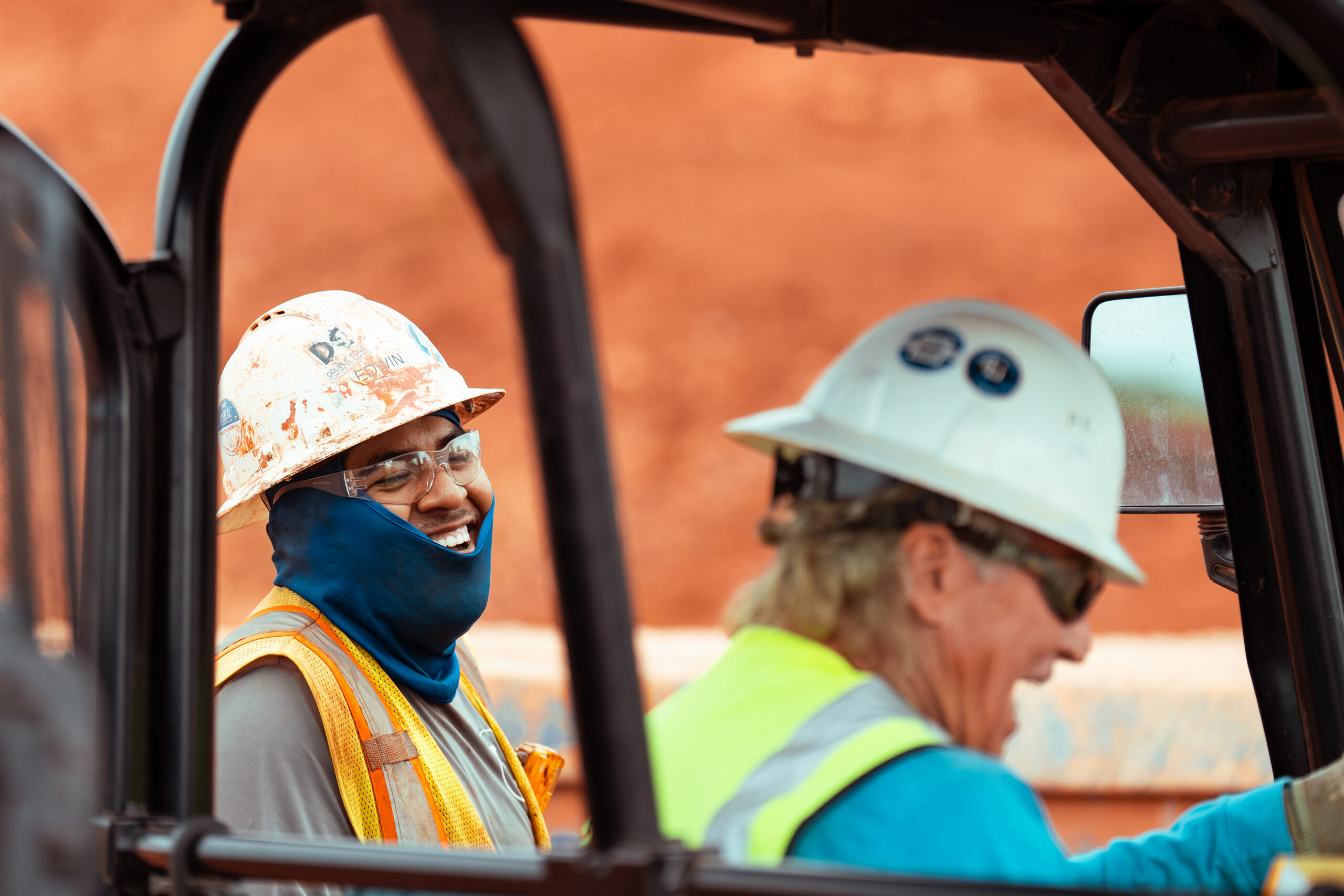
Picture the job site you want: crews showing up early, watching out for each other, taking pride in the work. New hires are mentored instead of left to figure it out on their own. Safety meetings are something crews actually engage with, not just sit through. Your people are aligned, motivated, and excited to work.
Now picture the alternative. Communication breaks down between the office and the field. Turnover is constant, so you’re rebuilding a team instead of leading one. Morale is low enough that small problems become big ones: a near-miss nobody reported, a bid you can’t staff, a good employee who quietly checks out.
Neither scenario happens by accident. The difference is company culture, and culture doesn’t build itself. It starts with a strong brand.
Most leaders treat brand as something for customers, and treat culture as something for employees. Two different conversations, two different budgets. But brand and culture are the same system. Brand sets expectations. Culture proves them true.
A logo and a mission statement on the wall aren’t enough on their own. Without a living, breathing culture to back it up, a brand is just a promise nobody’s keeping.
Why Culture Carries More Weight in Essential Industries
Great leaders understand this is a people business, not a project business: crews who trust each other, clients who come back, partners who vouch for you. That’s culture, and it’s not something you manage separately from the business, it is the business.
Why is company culture important in construction specifically? Because the trust holding your team together is the same thing driving the numbers leadership actually tracks:
Safety. Crews who trust each other speak up before something goes wrong, instead of letting a near-miss slide.
Retention. That same trust is why people stay, invest in the work, and grow the company.
Bid Wins. A reputation built on trust is what lets you staff the work you win, instead of turning down bids, or winning them and having an inconsistent crew hurt the outcome and your reputation.
Strong culture moves your business forward. Weak culture leaves you behind. Culture isn’t an afterthought, it’s the foundation your business runs on. And where you go from here starts with the brand behind it.
What it Looks like When Brand and Culture are Disconnected
A great brand isn’t a one-and-done fix. It doesn’t stay true just because it’s written down somewhere. Like anything else in the business, it has to be actively used and maintained, and when leadership treats it as a one-time statement instead of an ongoing tool, the gap between what the brand says and what the team actually experiences starts to show:
A company’s values say safety comes first, but when a deadline gets tight, corners get cut and nobody says a word. New hires are sent straight to the job site with a task list, but no real sense of what the company stands for because nobody ever defined it clearly enough to hand off.
In every case, the brand made a promise the culture wasn’t built to keep. That gap doesn’t close on its own. It closes when leadership starts using brand the same way they’d use any tool: deliberately every day.
Brand is a Culture-Building Tool
Mission, vision, and values aren’t only marketing copy, they’re what gives a team something to unite around. Leadership defines them, but their real power is what they do for everyone working underneath them: turning a group of individual crews into one team working toward the same thing.
- Mission is the daily “why.” When a crew understands what they’re actually there to accomplish, not just the task in front of them, but the bigger purpose behind it, that’s what turns a job into shared work instead of just a list of tasks.
- Vision gives the team a sense of where the company is headed, beyond the project in front of them. People work differently when they know they’re building toward something, not simply clocking hours until the job is done.
- Values set the standard for how people treat each other and their work. When everyone is living by the same standard, that’s culture working, not just leadership theory.
Define these clearly, and people stop guessing and start acting consistently. That’s real internal brand alignment and it’s the foundation everything else gets built on. Your employer branding efforts, your recruiting, your reputation in the market, your ability to win work and grow. None of it holds up if your own team isn’t living it yet.
But defining mission, vision and values is the easy part. The harder part is making them an ingrained part of your company culture, something your team lives without having to think about it.
Make the Brand Operational. Not Just a Poster on the Wall
A brand only works as a culture tool if it shows up in real decisions: not only who gets hired, fired, or promoted, but the calls made every day on the job site: whether to stop work over a safety concern, how a crew leader handles a mistake, whether someone speaks up or stays quiet.
Leadership sets the standard. But the goal isn’t leadership enforcing it forever, it’s the standard taking root deep enough that crews start upholding it themselves. That’s the difference between a rule and a culture. A rule is followed because someone’s watching. A culture is carried because people believe in it.
This is a brand as an operating system in practice, not theory. A value that isn’t upheld consistently never gets the chance to take root, it stays leadership’s responsibility instead of becoming the team’s. But uphold it long enough, and your people stop waiting to be told and they start carrying it forward themselves. That’s what real culture looks like.
This is exactly what our brand delivery method is built to do, transform your brand from a one-time deliverable into a system that your team uses every day.
Once brand is something your team is living out on their own, it stops feeling like just words, and it starts becoming real.
Even the Visual Stuff is a Culture Signal
Gear people are proud to wear. The truck wrap that makes a crew feel like part of something bigger. None of it is decoration, it’s daily, visible proof that the cultural standard your company has set is being lived out by your people.
That’s why visual identity is worth investing in. It gives your crews an identity of their own. Something they can point to and say, “that’s us.” And a team that’s proud of who they are works differently than one that isn’t.
If you’re wondering how we build or refresh those visible systems, here’s how we approach it.
Ready to Make Brand and Culture One System?
Go back to the job site you pictured at the start. The one where crews trust each other, people are proud to be there, and the work shows it. That isn’t luck. It’s what happens when brand and culture are built and run as one system, instead of two separate problems.
That’s what we do. Let’s talk about what it takes to build that system.
Frequently Asked Questions
Who is responsible for building company culture in a construction company?
Leadership. Culture takes its shape from the top. If executives don’t visibly value brand and culture, the rest of the organization won’t either. It’s not an HR initiative running parallel to the business; it’s set and modeled by whoever’s running it.
How long does it take to build a strong company culture in construction?
Longer than most leaders expect, and there are no shortcuts. Defining mission, vision, and values can happen in weeks. Getting an entire team to actually live them consistently takes months of reinforcement from leadership, not a single workshop or all-hands meeting.
Does building a strong culture require a big budget?
Not as big as most leaders assume, and it doesn’t have to start with leadership figuring it out alone. A focused Brand Foundation engagement, a strategy workshop, core messaging, and a content shoot, is often enough to define what you stand for and start building toward it. From there, you can phase into deeper content, a full website rebuild, or ongoing support as the business grows. Crawl, walk, run, there’s no penalty for starting small, and we’d rather build the right foundation with you than have you wait for a bigger budget to begin.